
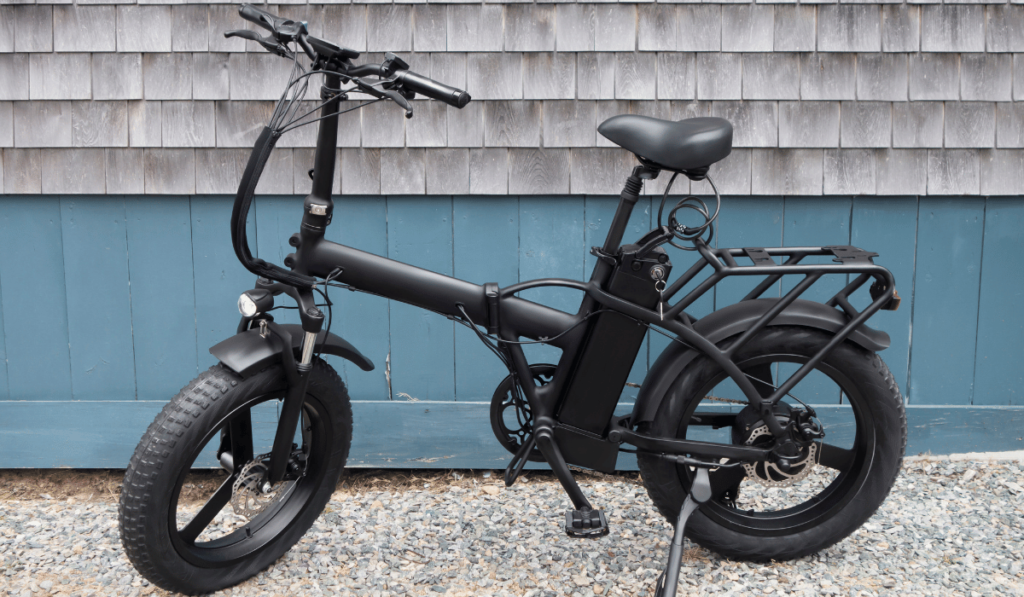
E-bikes are one of those product categories where the standard warranty question can become complicated very quickly, because they’re essentially three products in one: a frame, a motor, and a battery.
Each one of these is typically covered differently, so before deciding whether you should add a paid extended plan at checkout, it’s best to know exactly what your manufacturer is already promising. The gap between that promise and your daily riding habits is going to determine whether an extended warranty is justified or not.
Table of Contents
What a standard e-bike warranty normally covers
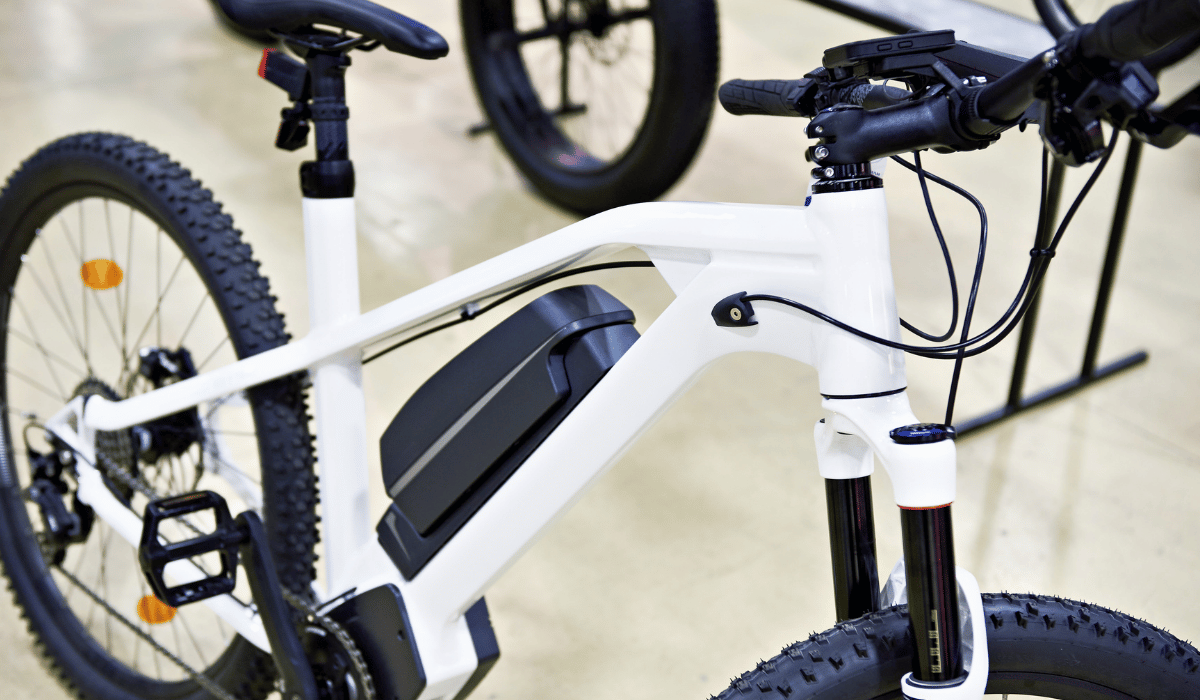
Manufacturers tend to be quite generous when it comes to covering e-bike frames. For instance, Specialized backs its frames and forks with a lifetime warranty against structural defects for the original owner, provided that they register the bike within 90 days of purchase. If the e-bike isn’t registered during the 90-day window, then the warranty period defaults to two years.
Trek also offers a limited lifetime warranty for the original owner on its e-bike main frames against defects in materials and workmanship.
Rad Power Bikes takes a different approach by backing its frame and major components (forks, stem, handlebar, etc.) for two years.
Motors and batteries, which are the parts most specific to an e-bike, normally receive much shorter coverage terms than frames.
Battery warranty terms commonly run for around two years and may include a charge-cycle cap. For example, Specialized covers its Turbo motor and drive-system components for two years, and its Turbo batteries for two years or 300 charge cycles, whichever comes first. The e-bike battery is expected to retain at least 75 percent of its original capacity through that window.
Motor warranty periods are commonly one to two years, but a motor’s actual service life depends on use, maintenance, and the model.
The exact service life of any e-bike component will vary depending on usage and the specific manufacturer, so instead of estimating these, it’s better to focus on what warranties tend to exclude.
Most major brands guarantee their e-bikes against defects in the workmanship and original materials used in construction. In other words, warranties usually cover failures where the manufacturer is at fault, not the rider.
But the picture becomes more complicated when it comes to wear and tear. For instance, the limited warranty for Rad Power Bikes explicitly states that damage or wear that occurs as a result of normal use isn’t covered, such as items like brake pads, bearings, or spokes. It also states that normal wear on the battery isn’t covered.
Most limited warranties also don’t cover damage caused by negligence, water damage, misuse, or neglect. In many cases, the wording is quite clear. For instance, if the factory used faulty wiring, this would likely be covered under most standard e-bike warranties, whereas if your e-bike battery gets drenched as you cycle across a flooded street, this generally wouldn’t fall under the warranty.
However, certain terms are harder to interpret. For instance, it’s not immediately clear exactly how “commercial use” is defined in the Rad Power Bikes limited warranty.
When a paid extended plan changes the outcome

Given that manufacturer warranties tend to have a fairly limited scope, an extended plan is typically only worth the investment in two situations:
- When it adds coverage the manufacturer never offered in the first place, such as for accidental damage.
- When it extends mechanical or electrical coverage for the e-bike or critical components beyond the years after the factory warranty would have already expired.
For most e-bike owners, accidental damage is more likely to be where an extended plan is worth considering, mainly due to how e-bikes are normally used.
Imagine real-world scenarios like when a bike is locked outside, ridden through the rain, walked over curbs, or even knocked over while parking. These are the kinds of physical risks that manufacturers’ limited warranties almost always exclude by design.
This is a much more important consideration for e-bikes than for most other categories of consumer electronics, as the battery and motor sit exposed on a frame that’s regularly taken outside the home, rather than safely stored on a table in your living room.
That means a single knock or water-related incident can take out an expensive e-bike component in a way that’s not covered by a limited warranty.
The second situation is a concern for high-mileage, high-frequency use, such as when someone regularly uses an e-bike to commute long distances.
Battery warranties, for instance, are capped by charge cycles as much as by calendar years, so a rider who charges daily for a work commute can reach that 300-to-700-cycle limit much sooner than someone who just rides their e-bike occasionally on weekends.
Even with a generous two-year battery warranty, a determined commuter who’s putting in serious daily mileage could hit that cycle ceiling well before 24 months have gone by. In this scenario, any further battery or motor issue becomes an out-of-pocket repair unless they have a paid plan in place that will cover it.
For riders who don’t fit into either of the two situations, such as someone who rides only every now and then, keeps their bike indoors, and never goes out in bad weather, the standard warranty is probably already doing the job it’s designed to do. In that case, a paid extension plan would only duplicate protection that you’re unlikely to need.
Before you add an e-bike extended plan
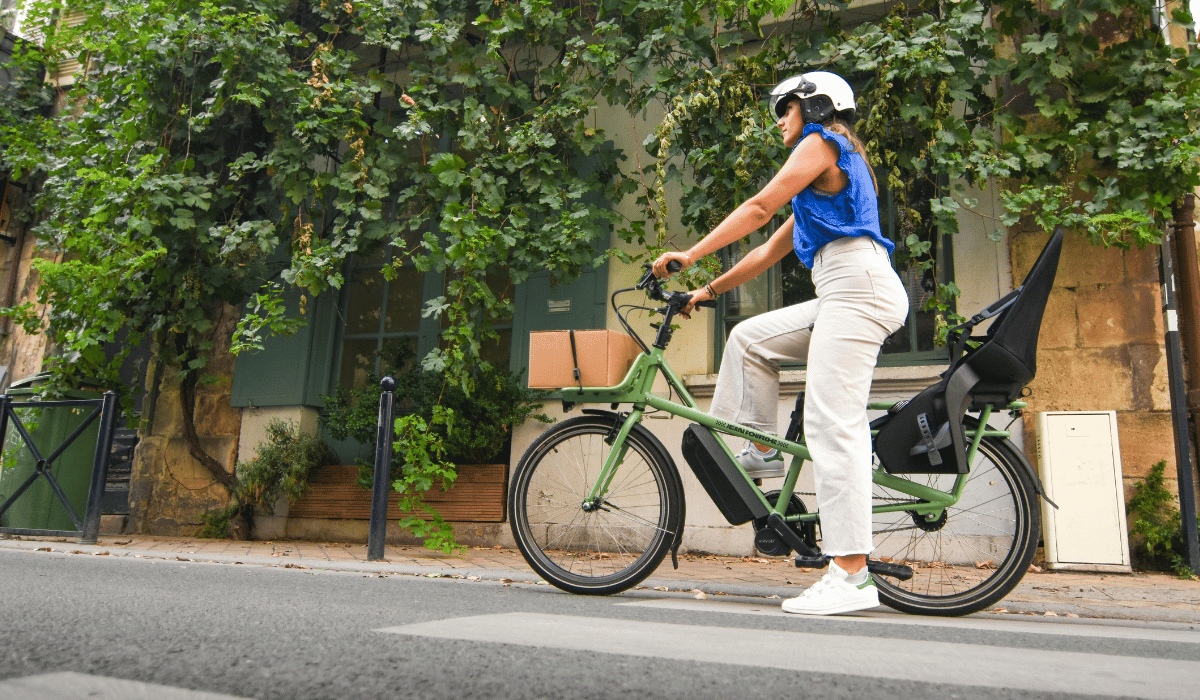
If you’re at the checkout stage of buying an e-bike, you should take a few moments before choosing any kind of extended warranty to examine exactly what’s on offer.
For instance, the plan summary at checkout may say ‘three years of protection.’ But this can mean different things depending on when coverage starts, what type of failure is covered, and whether accidental damage is included.
A good starting point is to check the wording of the standard manufacturer’s warranty for your chosen e-bike. If the motor and battery already have two years of coverage, for instance, then a plan that only covers mechanical and electrical failure is likely to provide most of its value later once the original coverage expires.
This could still be useful, say, if you’re a commuter who plans to keep their e-bike for several years. But it isn’t the same as receiving extra protection for every potential issue or breakdown from the day the e-bike is shipped to you.
If you’re interested in accidental damage coverage, make sure to examine the policy language closely. These plans can offer real peace of mind for riders who use bike lanes daily, navigate curbs, transport their bikes on a rack, and park in busy places. But that doesn’t mean you can assume that every issue is covered, such as water damage or cosmetic scrapes.
You should also pay close attention to the battery terms. Battery capacity naturally declines with charging and use, so normal battery wear may not be covered, even under an extended warranty.
How Seel’s Extended Warranty can be worth it

E-bikes are one category where a shopper-funded extended plan can help mitigate certain usage risks rather than just being a redundant extra charge during the checkout process.
Specifically, Seel’s Extended Warranty runs for a term of one to five years and is built around two components: mechanical and electrical failure coverage. There’s also an optional accidental damage add-on, depending on the plan that’s offered at checkout.
The sequencing follows much the same structure as Seel’s other protection products for electronic goods: in the case of a mechanical or electrical failure, such as a motor or battery actually breaking down instead of just wearing out, Seel directs the claim to the manufacturer while that original warranty is still active. Seel’s own coverage for these types of failures only takes over once the manufacturer’s warranty period has expired.
Accidental damage works differently. In situations where a shopper has added that specific coverage for their e-bike, Seel’s terms state protection is active “from the date of purchase,” since it fills a gap that a limited manufacturer warranty never covered in the first place.
That structure is why Seel’s Extended Warranty is a good fit for e-bikes in particular.
If accidental-damage coverage is included in the plan selected at checkout, it can apply from the date of purchase and address risks that a standard manufacturer warranty normally doesn’t cover.
For mechanical and electrical failures, Seel’s coverage is designed to begin after the manufacturer’s warranty ends.
This can provide a safety net in the years after the factory motor and battery warranty ends, although the exact term, covered events, limitations, and exclusions depend on the plan offered for the specific e-bike.
Filing a claim

Currently, eligible shoppers need to file claims through Seel’s Resolution Center using the order number and email address from the original purchase confirmation.
They generally require photos and other supporting documentation, depending on the type of claim being made.
Seel may arrange a repair or, when repair is not practical, a replacement, depending on the applicable plan and covered issue.
Seel’s Product Protection Plan lists wear and tear among the covered issues. This can help to address certain product malfunctions or failures caused by everyday use after the manufacturer’s warranty has ended.
However, the specific Product Protection Plan terms and conditions can vary depending on the specific e-bike and retailer, and exclusions can apply.
For an e-bike, check the plan shown at checkout to confirm how it treats components such as the battery, brake pads, tires, and other parts that naturally wear down with regular riding.
If you’re considering buying an extended plan of any kind, you should always check:
- What tier is being offered for your specific bike?
- Is accidental damage included in the tier, or does it have to be added separately?
- How long does the plan run past your manufacturer’s coverage window, and when does it start?
Is an e-bike warranty worth it? A simple way to decide
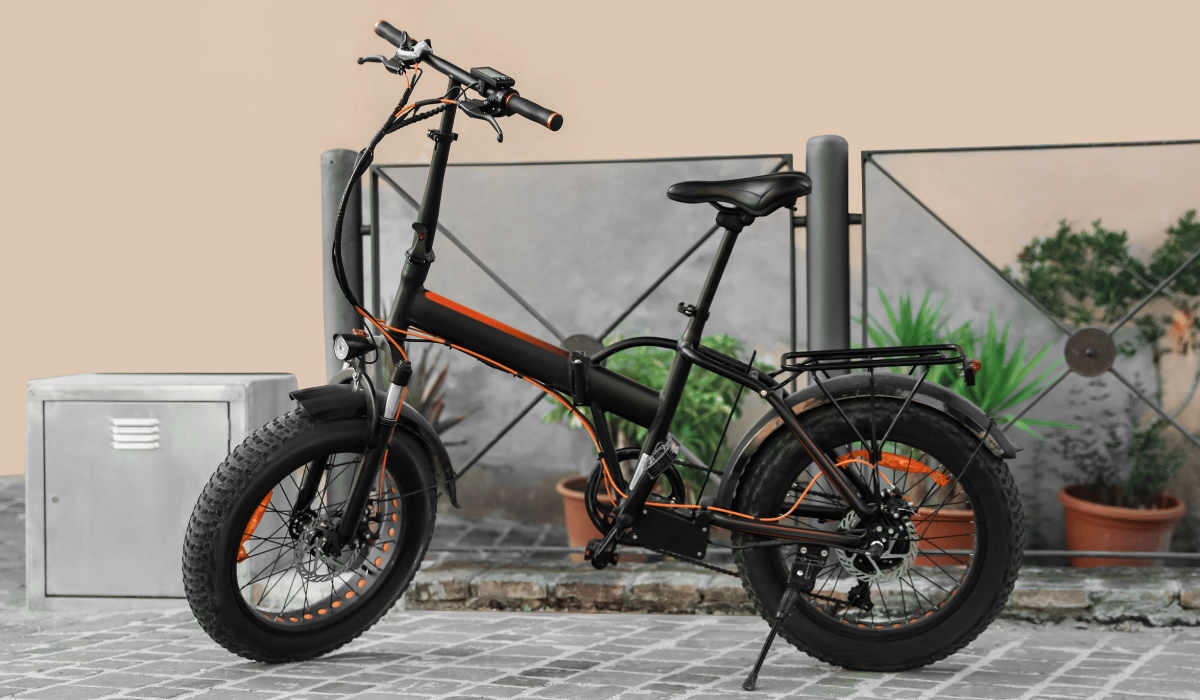
Ultimately, your decision about whether or not to get an extended e-bike warranty comes down to two questions about how you plan to use the bike:
- Is the bike likely to get rained on, stepped on, knocked over, and otherwise be exposed to the kind of physical risks that aren’t covered by standard manufacturer warranties?
- Do you plan to ride the e-bike often enough that you’ll likely burn through the battery’s charge-cycle allowance, or outlast the motor’s coverage window before the regular warranty runs out?
If the answer to either question is “yes,” then a paid extended plan is likely to be worth the money, particularly if that plan offers accidental damage coverage from the date of purchase.
If, on the other hand, you’re a casual and extremely careful rider who mainly keeps your bike indoors and only uses it occasionally, the standard manufacturer terms may cover you through the period when any major factory flaws are likely to surface.
Extended coverage doesn’t earn its place just by duplicating a standard manufacturer warranty that may already offer generous terms. Its value is in addressing accidental damage, where included, and providing protection for qualifying mechanical or electrical failures after that manufacturer’s warranty ends.
For e-bike riders, the key is to match the plan to the risks the bike will actually face and to confirm the exact coverage at checkout.

Our team consists of people that love to get their hands dirty and figure out what the problem is. Since they've done so much of that on their own, they're passing their knowledge on to you.
- Should you get an e-bike warranty? - September 23, 2026
- Best Tesla Lease Buyout Options (2025): Compare Costs, Rates, and the Easiest Way to Keep Your Car - October 30, 2025
- Years Ford F150 Parts Were Interchangeable Guide - August 14, 2023